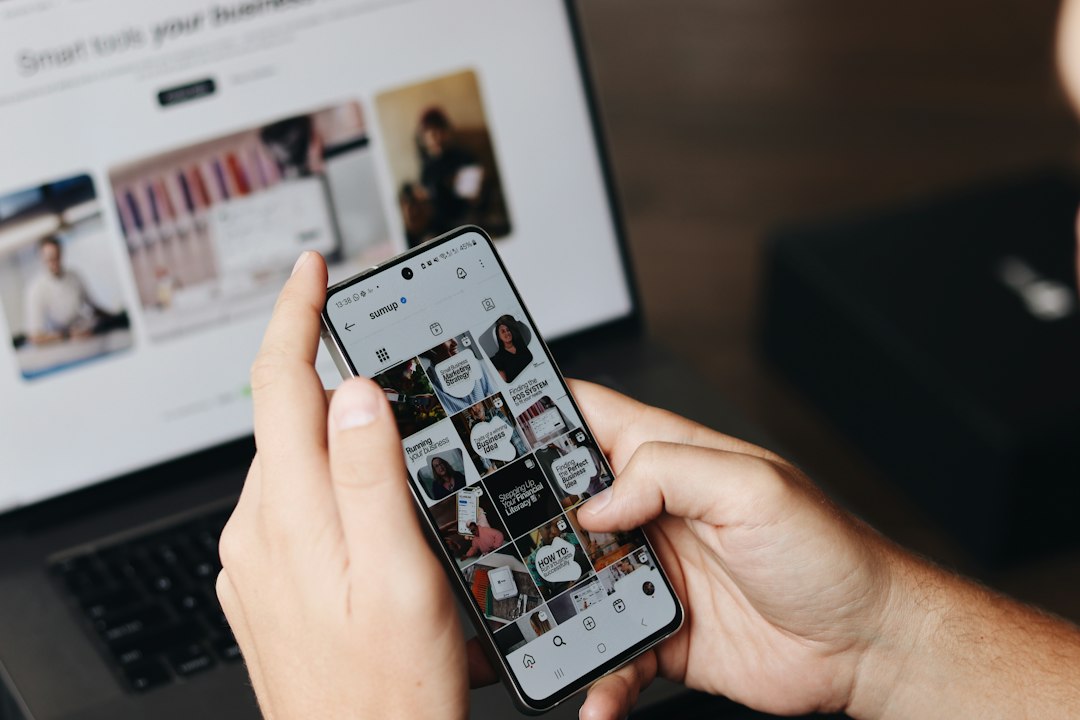

Instagram collabs for small businesses are now one of the cheapest, fastest ways to reach warm audiences without burning ad budget. A single well-matched partnership can put your product in front of thousands of people who already trust the person showing it, and the collab post feature means both accounts share the same post, likes and comments.
The catch: most small businesses pick the wrong partners, send lazy pitches and measure the wrong things. This playbook fixes all three.
Key takeaways
- Instagram collabs work best when audiences overlap but offers do not compete.
- Micro-creators (2k-25k followers) usually beat big names on cost per follower and cost per sale.
- Use the native Collab feature so one post appears on both grids and shares engagement.
- A tight pitch, a clear hook and a trackable offer matter more than follower count.
- Treat each collab as a test: brief, run, measure, repeat with the winners.
What an Instagram collab actually is in 2026
The word "collab" gets stretched to cover everything from a paid shout-out to a joint giveaway. For this guide, an Instagram collab is any post, Reel or Story where two accounts intentionally share audiences to grow both sides.
There are four formats worth knowing:
- Co-authored posts and Reels using the native Collab invite, so the content lives on both grids.
- Creator partnerships where a creator makes content featuring your product, tagged as a paid partnership.
- Brand-to-brand swaps where two non-competing businesses promote each other in Stories, Reels or carousels.
- Joint giveaways and bundles where two or more accounts pool an offer in exchange for follows and entries.
Each one has a different goal. Co-authored Reels push reach. Creator partnerships push trust and sales. Brand swaps push followers. Giveaways push follower spikes but need careful rules to avoid attracting prize hunters.
A good collab is not "you post about me, I post about you." It is "we make one thing together that your audience and mine both want to see."
How to pick partners your audience will actually care about
Most collabs fail at selection. The partner has the wrong followers, the wrong tone, or an audience that overlaps so much with yours that nobody new sees it.
Use this three-filter test before you even draft a pitch.
Filter 1: audience overlap, not audience match
You want partners whose followers look like your ideal customer but who are not already following you. Say a local sourdough bakery is picking partners. A competing bakery nearby is a bad choice; the followers already know your category. A specialty coffee roaster, a cookware shop or a weekend farmers' market account is a great choice because the audience values the same things but came in through a different door.
Filter 2: engagement over follower count
Open the partner's last nine posts. Ignore the follower number. Look at:
- Likes as a rough percentage of followers (2-6% is healthy for most niches).
- Comments that are real sentences, not one-word emoji replies.
- Saves and shares if they are a creator who shares insights.
An account with 8,000 followers and 400 real comments per Reel will almost always outperform one with 80,000 followers and 60 comments.
Filter 3: tone and trust
Scroll their Stories for a week. Would you be comfortable with your brand sitting next to what they post? Do they already recommend things, and do their followers act on those recommendations ("just ordered, thank you!")? Trust shows up in replies more than in reach.
The pitch: how to get a yes in one message
Creators and small brands get pitched constantly. The ones that get replied to are short, specific and show you have actually looked at the account.
Here is a structure that works, whether you are messaging a creator or another small business:
- One line showing you know them ("Your Reel on cold-proofing dough is why I now own a banneton.")
- One line on who you are and why it fits ("I run a small olive oil import brand; our customers overlap with your baking audience.")
- The specific ask ("Would you be open to a co-authored Reel where we test three oils for finishing focaccia?")
- What you bring ("I will send product, cover shipping, write a rough script you can rewrite, and we post it as a Collab so it lives on both grids.")
- An easy out ("Happy to send more detail or drop this if it is not your thing.")
No flattery, no mass template, no "hey hun." If you would not reply to it, do not send it.
Running the collab so it actually performs
A signed-off idea is only half the job. The execution is where most small businesses lose the reach they could have had.
Brief the content properly
For each collab, agree on:
- The hook in the first 1-2 seconds for Reels, or the cover slide for carousels.
- One clear takeaway or product moment, not three.
- Who posts first and the exact caption, including a call to action.
- Hashtags, tagged accounts and whether paid partnership labels are used.
- A single trackable offer: a discount code, a landing page, or a specific product link in both bios.
If you want the post to drive saves and shares, borrow structure from a strong carousel format that gets saved and translate it to the Reel or joint post. If it is a Reel, spend most of your effort on the opening frame; the same principles that make Reels hooks stop the scroll apply double when two audiences are watching.
Use the native Collab feature
When you create the post or Reel, tap "Tag people," then "Invite collaborator," and add the partner. Once they accept, the post appears on both grids with both handles in the header and shared likes, views and comments. This matters because:
- Reach compounds; the algorithm serves it into both audiences.
- Engagement stacks on one post instead of being split across two.
- Followers of either account see it at the top of feed as a post from someone they follow.
Split reposts almost always underperform a single Collab post.
Warm up with Stories and DMs
In the 24 hours before the post goes live, both accounts should tease it in Stories: a behind-the-scenes clip, a "guess who I shot with today" poll, a countdown sticker. After the post lands, both sides should reply to every comment for the first two hours. Comments early tell the algorithm the post is worth pushing.
The same logic that drives Stories that sell for small businesses applies here: use Stories to move warm viewers from "saw the collab" to "tapped the link" to "bought."
Collab formats that work for small businesses in 2026
Not every collab needs to be a produced Reel. Here are formats that small teams can actually ship, matched to common goals.
For reach: the co-authored Reel
Two accounts, one Reel, strong first frame, one clear idea. Works for product demos, before and afters, taste tests, teardown style comparisons and "we swapped jobs for a day" formats. Keep it 15-30 seconds and shoot three alternate hooks so you can pick the strongest.
For trust: the creator walk-through
A creator uses your product in their normal content and talks about it honestly, with a paid partnership label. This is less about virality and more about the comments section filling with "wait, does this actually work?" followed by the creator answering. Pick creators whose followers ask them for recommendations already.
For followers: the two-brand giveaway
Two complementary small businesses bundle products and run a giveaway. Entry rules: follow both, like the post, tag a friend. Keep the prize tightly relevant to your category so you attract buyers, not prize hunters. Run it for 5-7 days and announce the winner on Stories to keep eyes on both profiles.
For sales: the limited drop or bundle
Two brands create a limited product or bundle only available for a week, promoted on both accounts. This gives urgency and a clean story to tell. It also gives you a trackable SKU so you can measure the collab in revenue, not just likes.
Measuring whether a collab was worth it
Follower count is the least useful number here. Track these instead, per collab:
- Reach from non-followers. In post insights, look at the share of accounts reached who do not already follow you.
- Profile visits and follows from the post. These show whether the content made people curious about you, not just entertained.
- Saves and shares. High saves on a product post is a strong buying signal.
- Link clicks or code redemptions. The only honest measure of sales impact.
- Cost per new follower and cost per sale. Divide what you spent (product, fee, shipping, your time) by the results.
Keep a simple spreadsheet with partner, format, spend, reach, follows and sales. After five or six collabs you will see a clear pattern of what works for your account, and you can double down with the partners who converted.
If collabs are landing but your profile is not converting the visits into follows, the bottleneck is usually the profile itself. A tightened Instagram bio that turns profile visits into followers will often lift results from every collab you run afterwards.
Common collab mistakes to avoid
A quick checklist of the mistakes that cost small businesses the most:
- Picking partners by follower count instead of engagement and audience fit.
- Sending the same template pitch to twenty accounts in one afternoon.
- Skipping the native Collab feature and doing two separate posts instead.
- No clear call to action, no trackable code, no landing page.
- Posting once and never following up with Stories, replies or a recap post.
- Judging the collab in the first 24 hours; Reels in particular can keep pulling reach for weeks.
- Not repeating what worked. If a partnership performed, propose a second round in a different format.
Building a collab pipeline instead of one-offs
One-off collabs are fine. A pipeline is better. Aim for one or two collabs a month, planned a quarter ahead, with a mix of formats.
A simple monthly rhythm for a small business might look like:
- Week 1: co-authored Reel with a complementary brand.
- Week 2: regular content, including a recap carousel of the collab.
- Week 3: creator partnership post, tracked with a discount code.
- Week 4: planning calls and pitches for next month, plus a Story takeover.
Pair this cadence with a sensible Instagram posting schedule for small businesses so collabs land on days your account is already getting strong reach, not on quiet weekends.
If running this pipeline on top of everything else is not realistic, this is exactly the kind of work our team handles. Henify's Instagram growth plans include partner sourcing, outreach and collab production using real people, so your account grows through genuine partnerships rather than bots or shortcuts.
A simple four-week plan to start collabs this month
If you have never run an Instagram collab before, use this plan.
Week 1: map and shortlist. Write down 20 accounts whose audiences overlap with yours. Score each on audience fit, engagement and tone. Keep the top 8.
Week 2: pitch. Send 8 personalised messages using the structure above. Expect 2-4 replies. Agree formats and dates with the ones who say yes.
Week 3: produce and post. Shoot and brief the content. Use the native Collab feature. Warm up with Stories, reply to comments for two hours after posting.
Week 4: measure and repeat. Log results in your spreadsheet. Message the partners who performed and propose a second round. Start shortlisting for next month.
Do this for three months and you will have a shortlist of proven partners, a library of collab content you can repurpose, and a clear view of which Instagram collabs drive real growth for your small business, not just vanity spikes.
FAQ
How many followers do I need before anyone will collab with me?
Fewer than you think. If your account has clear positioning, decent content and real engagement, creators and small brands at a similar size will collab with you from a few hundred followers upward. Lead with the idea and what the partner gets, not your follower count.
Should I pay creators or offer product only?
For micro-creators under about 10k followers, product plus a clear brief is often enough, especially if the product is something they would genuinely use. Above that, expect to pay a fee. Always agree the deliverables, usage rights and timeline in writing before sending product.
How often should I run Instagram collabs?
One to two a month is a healthy pace for most small businesses. More than that and quality drops; less and you lose the momentum of recurring partners and repurposable content. Mix formats so you are not relying on one type.
Are giveaways still worth doing in 2026?
Yes, if you keep the prize niche and the rules simple. A tightly relevant prize attracts buyers; a generic cash or iPhone prize attracts prize hunters who unfollow the next day. Pair the giveaway with a product drop or sale to convert the new audience quickly.
What should I do if a collab flops?
Treat it as data, not a disaster. Check whether the issue was the hook, the partner fit, the call to action or the timing. Keep the content live; Reels especially can pick up reach weeks later. Then adjust one variable and run another collab, because consistent Instagram collabs for small businesses almost always outperform one-off hits over time.