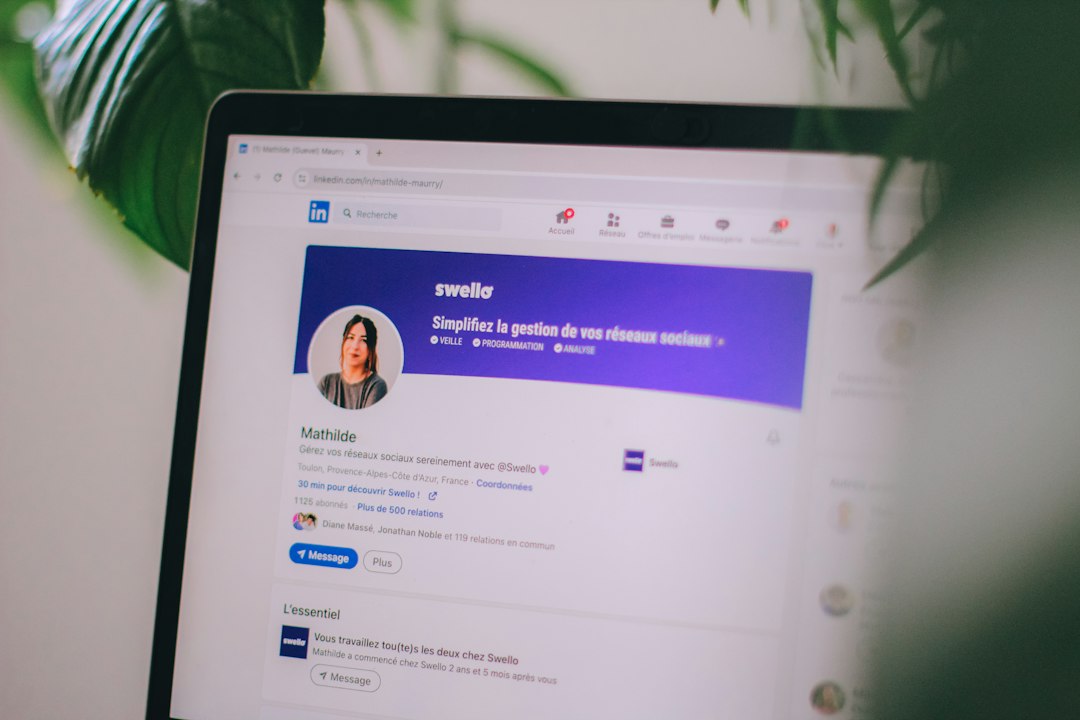

A thoughtful comment on a post with 50,000 views can do more for your LinkedIn profile than a week of your own posts. That is the quiet reality most operators miss. While everyone is grinding out carousels and hot takes, the comment section stays wide open as a free distribution channel.
LinkedIn comments are an underused growth lever because they put you in front of audiences you have not built yet, inside conversations that are already hot. If your own reach is small, borrowing someone else's is the fastest route to followers, profile views and inbound messages.
Key takeaways
- Strategic commenting on larger LinkedIn accounts is the fastest follower-acquisition channel most people ignore.
- Aim for 8-15 high-quality comments per day on posts under two hours old.
- Comment on creators whose audience overlaps with your ideal client, not just big names in general.
- Your first sentence does the work: it has to earn the click to your profile.
- Track profile views and follower growth weekly to see which creators and topics actually convert.
Why LinkedIn comments are an underused growth lever
Most LinkedIn advice tells you to post more. Posting is slow. You build an audience one impression at a time, and if your network is small, even a great post can die quietly.
Comments flip that maths. When you reply under a post that is already pulling tens of thousands of views, your words sit inside someone else's distribution. Readers who found the post interesting are primed to scan the comments, and a sharp reply earns a click to your profile.
Three things make commenting especially powerful right now:
- The LinkedIn feed shows comments from people you do not follow if those comments get engagement.
- Early comments on a post get surfaced higher and stay visible for hours.
- Profile clicks from comments convert to follows at a much higher rate than cold impressions, because the reader has already decided you are worth checking.
A comment is a free ad placement inside a post that is already working. You are not asking anyone to discover you cold. You are showing up where attention already lives.
The follower-acquisition maths behind strategic commenting
Let us walk through a realistic scenario. Say a creator in your niche posts twice a week and averages 40,000 views per post. If you are one of the first ten commenters and your reply is good, you can reasonably expect a few hundred people to read what you wrote.
Of those, a small percentage will click your profile. Of those, a smaller percentage will follow. The numbers are modest per post, but the compounding is the point.
Do this across 10 creators, 5 days a week, and you are inserting yourself into dozens of hot conversations every week. Your own posts then land on a slowly growing audience that already recognises your name from the comment sections they read.
What a quality comment actually looks like
A good comment does one of four things:
- Adds a specific example the post did not include
- Pushes back politely with a different angle
- Extends the idea with a step-by-step application
- Shares a short, relevant story from your own work
A weak comment says "Great post!", "100%", "This.", or tags a friend with no context. These cost you credibility and get buried.
The one-sentence hook rule
Treat the first sentence of your comment like a headline. It has to work on its own, because that is often all a scrolling reader sees before deciding to expand.
Compare these two:
- "Totally agree, cold outreach is dead if you do it wrong and you need to warm people up first with content that..."
- "Cold outreach is not dead. It is just that most people skip the warm-up step."
The second version earns the expand click. The first one gets scrolled past.
How to pick the right accounts to comment on
Not every big account is worth your time. A creator with 200,000 followers but an audience of marketers will not send you B2B SaaS buyers. Picking the wrong rooms is the main reason strategic commenting fails for people who try it.
Build a list of 15-25 creators using these filters:
- Their audience overlaps with your ideal client or buyer.
- They post at least twice a week so you have regular opportunities.
- Their posts average more than 5,000 views, ideally 20,000+.
- They reply to comments themselves, which signals a live community.
- Their comment sections feel like conversations, not graveyards of "Great share!".
Mixing tiers of creators
Do not only chase the biggest names. A healthy list looks like this:
- 3-5 large creators (100k+ followers) for reach
- 8-12 mid-tier creators (10k-100k) for a better signal-to-noise ratio
- 3-5 peers at or slightly above your size for reciprocal relationships
The mid-tier is where most of your follower growth will actually come from. Big accounts have crowded comment sections where it is hard to stand out. Mid-tier creators have engaged audiences and less competition under each post.
Cadence: how often to comment without burning out
Commenting works because it is consistent, not because it is intense. A manageable cadence beats a two-hour sprint once a week.
A realistic rhythm for one person:
- 8-15 comments per day, five days a week
- Spread across 2-3 short sessions of 20-30 minutes
- Focus on posts under two hours old whenever possible
- Reply to any responses to your comments within the same day
The two-hour window matters. Comments left on day-old posts rarely get seen. The sweet spot is the first 60-90 minutes, when the post is still climbing and your reply can gather its own likes.
Building a daily commenting routine
Here is a routine you can start this week:
- Morning (15 minutes): open LinkedIn, scan your target list for fresh posts, leave 4-6 comments.
- Midday (10 minutes): check for replies, respond, leave 2-3 more comments on new posts.
- Evening (10 minutes): one more pass for late-posting creators in other time zones, leave 3-5 comments.
Use LinkedIn's bell notifications on your target creators so you see new posts the moment they land. This is the single highest-leverage tweak most people miss.
What to track weekly
Keep it simple. Every Friday, write down:
- Profile views that week
- New followers
- New connection requests received
- Inbound DMs from people you did not know
- Which creators' comment sections drove the most of the above
After four weeks you will see patterns. Drop creators whose audiences do not convert for you and double down on the ones that do.
Topics and angles that pull profile clicks
What you say matters as much as where you say it. The comments that pull follows tend to fall into a handful of repeatable formats.
The specific counter-example
When a post makes a sweeping claim, a specific counter-example makes you look sharp. If the post says "email open rates are dying", a comment like "We ran a plain-text welcome sequence last quarter and hit 62% opens. The format mattered more than the channel." earns clicks.
Avoid being combative. Push back on the idea, not the person.
The practical how-to
If a post describes what to do, add how to do it. A post on "founders should post more" invites a comment breaking down a simple weekly posting cadence in three bullet points.
You are doing the reader's homework for them, inside a post they already liked.
The short story from your work
Two or three sentences about a real situation you handled. Not a case study, not a pitch, just a moment. "Had a client last month who swore paid ads did not work for them. Turned out the landing page was loading in 11 seconds on mobile. Fixed the page, same ads, 4x the leads." This works because it is concrete and shows competence without claiming it.
Topics to lean into
The topics that attract the right kind of profile clicks for B2B operators tend to be:
- Pricing, positioning and offer design
- Hiring, firing and team structure
- Specific tactics with numbers attached
- Mistakes you have made and what you learned
- Contrarian takes on popular advice, backed by examples
Topics to avoid
- Politics and anything culturally polarising
- Vague inspiration ("Mindset is everything")
- Humble-bragging about your own wins unprompted
- Pitching your service in someone else's comments
The last one is the fastest way to get muted or blocked by the creators you most want attention from.
Converting comment readers into followers and conversations
Getting profile clicks is half the job. The profile they land on has to do the other half.
Your headline, banner and featured section need to answer three questions in under five seconds:
- Who do you help?
- What do you help them do?
- Why should they follow you rather than bookmark and leave?
A recent post pinned to your profile acts as a free sample. If someone clicks over from a sharp comment and your top post is strong, following is a small next step.
Using comments to open conversations
If a comment exchange goes well, a short DM a day or two later is natural. Not a pitch. Something like: "Enjoyed the back-and-forth under [creator]'s post the other day. Your point about onboarding stuck with me." That is the start of a relationship, not a sales motion.
Over months, this is how commenting quietly builds a network of warm contacts without any outbound grind.
Common mistakes that kill comment-led growth
A few patterns waste people's time:
- Commenting everywhere. Spreading across 50 random posts a day looks desperate and dilutes your signal. Stay with your target list.
- Only commenting on the biggest accounts. You get drowned out. Mid-tier is where you win.
- Writing essays. Three to five sentences is the sweet spot. Longer comments get skimmed.
- Not replying to replies. When someone engages with your comment, keep the thread alive. That is where follows actually happen.
- Treating it as a one-month sprint. The compounding starts around week six. If you quit at week three you will conclude it does not work.
Commenting is a habit, not a campaign. The operators who get the most out of it treat it the same way they treat email: something they do every working day, at roughly the same times.
Making commenting part of a wider LinkedIn plan
Comments alone will grow a profile, but they work best alongside a basic posting rhythm. Two or three posts a week, plus daily strategic commenting, is a sustainable combination for a founder or operator.
The posts give new followers something to see when they arrive. The comments bring them to the door.
If running this consistently alongside the rest of your work is unrealistic, a done-for-you option can help. Henify's LinkedIn growth service handles the commenting cadence, target-list research and profile positioning for founders who want the inbound without the daily time cost.
The point is not who runs the system. The point is that it runs every working day, on a focused list, with comments that are actually worth reading.
FAQ
How many LinkedIn comments per day is realistic?
For one person doing their own commenting, 8-15 thoughtful comments per day across 2-3 short sessions is realistic and sustainable. More than that and quality usually slips. Fewer than that and the compounding effect takes much longer to kick in.
How long until strategic commenting shows results?
Most people see profile views climb within the first two weeks and meaningful follower growth from around week four to six. Inbound DMs and connection requests from ideal clients tend to appear from month two onwards, assuming the target list and profile positioning are right.
Should I comment from my personal profile or company page?
Personal profile, almost always. LinkedIn's algorithm and culture both favour individuals, and comments from company pages feel corporate and get ignored. Build the personal profile first and let it do the work of attracting attention to your business.
Is it worth commenting on posts from direct competitors?
Yes, if their audience overlaps with yours and you can add real value without picking fights. A respectful, useful comment under a competitor's post can quietly pull their followers to your profile. Avoid snark or anything that reads as poaching.
What if the creators I target never reply to my comments?
Their replies are a bonus, not the goal. The audience reading the comment section is what matters. That said, if a creator never engages with their own comments, their community is often less active too, so consider swapping them for someone whose comment section feels alive.
Strategic commenting stays an underused LinkedIn growth lever because it looks too simple to work. The people who treat it seriously, pick the right rooms and show up every working day quietly outgrow the ones chasing viral posts.