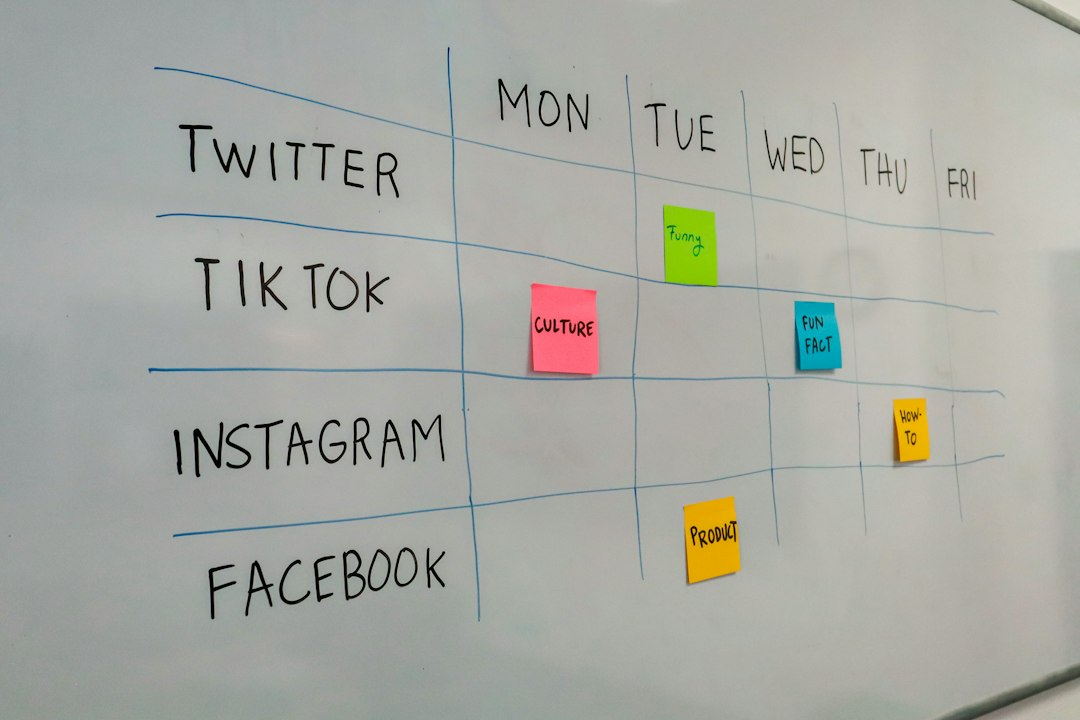

Staring at a blank caption box on a Tuesday morning is one of the most common reasons small businesses go quiet on social media. You know you should post, you just don't know what. The good news: figuring out what to post when you have nothing to post is a repeatable skill, not a creative gift. It's a mix of lightweight systems, recycled material, and a short list of go-to formats you can lean on when the well feels dry.
This guide walks through where to find ideas inside your own business, how to turn one small moment into three posts, and the exact prompts to use when you truly have nothing new to say.
Key takeaways
- You almost always have more content than you think; most of it is hiding in customer conversations, old photos, and work you've already finished.
- Keep a running "idea bank" so you're never starting from zero on posting day.
- Repurposing beats originality for small accounts: one strong piece of content can become five posts across platforms.
- Behind-the-scenes, FAQs, and customer questions are evergreen when nothing new is happening.
- Batching ideas once a week is the difference between consistent posting and burnout.
Why "nothing to post" is almost always a sourcing problem
When owners say they have nothing to post, they usually mean one of three things: they have no new photos, no big news, or no fresh ideas. Each of these is a sourcing problem, not a content problem.
You don't need news to post. You need a system that captures small moments and a short list of formats that work even on a slow week. Think of your social feed less like a newspaper and more like a shop window: the goods don't have to change daily, but the display should look alive.
A quiet week in the business doesn't mean a quiet feed. It means you reach into the idea bank instead of inventing something new.
Build an idea bank before you need it
An idea bank is a single document, note, or board where you capture content prompts the moment they appear. When posting day arrives, you pull from the bank instead of staring at the ceiling.
Keep it somewhere you can access on your phone. A note on your phone, a Trello board, or a simple spreadsheet all work. The format matters less than the habit of adding to it.
What to put in the bank
- Questions customers ask in person, by email, or in DMs
- Compliments and reviews, even the one-line ones
- Photos of products, the workspace, the team, or finished jobs
- Mistakes you made and what you learned
- Industry myths you want to correct
- Before and after shots of any work you do
- Seasonal hooks (back to school, long weekends, end of financial year)
- Short opinions on things happening in your industry
Aim to add three to five entries a week. In a month you'll have more ideas than you can post.
How to collect ideas without it feeling like work
- At the end of each client call or customer interaction, jot down one question they asked.
- Take a photo of something, anything, in your workday at least once a day.
- Once a week, screenshot a review, DM, or email that made you smile.
- Save competitor posts you find clever (for structure, not copying).
By Friday, you'll have roughly 15 raw inputs. That's two weeks of posts if you repurpose well.
The nine evergreen formats to lean on
When you have no new material, these formats almost always work. Keep them printed somewhere near your desk.
- Answer a frequent question. Pick one question customers ask and answer it in a single post.
- Myth vs reality. "People think X about our industry. Here's what's actually true."
- Behind the scenes. A photo or 15-second clip of something ordinary: packing an order, prepping a dish, setting up a room.
- Customer spotlight. A screenshot of a kind message, with a thank-you caption.
- A tip you'd give a friend. One small, genuinely useful piece of advice from your field.
- Then vs now. Your logo from year one, your workspace when you started, your first product.
- Mini tutorial. Three steps to do something small your customers care about.
- Product in context. The thing you sell being used, not just sitting on a white background.
- A short opinion. What you believe about your industry that others don't.
Say a local bakery has had a slow week with no new products. They could still post: a behind-the-scenes clip of dough being shaped (format 3), a one-line answer to "why is sourdough better the next day?" (format 1), and a photo of a regular customer's standing order with a thank-you (format 4). That's three posts from zero news.
Mine content you already have
Most small businesses are sitting on months of unused material. Before creating anything new, raid your own archives.
Your camera roll
Scroll back three, six, twelve months. You'll find photos you took and forgot about: a finished project, a tidy shelf, the team at lunch. Old photos are new to your audience, especially new followers who've never seen them.
Your inbox and DMs
Search for phrases like "do you", "how do I", or "can you". Every result is a post idea. If one person asked, others are wondering.
Your past posts
Your best-performing post from last year is probably still true. Re-post it with a fresh caption, a new photo, or a different angle. Nobody remembers what you posted in March.
Your website and emails
An "About" page, an FAQ, a product description, a past newsletter: each one can be broken into three or four social posts. Take one paragraph, make it a caption.
Turn one idea into five posts
Repurposing is the single highest-leverage habit for small accounts. One strong idea should never be posted once.
Suppose you run a small accounting firm and you write a short post explaining a common tax deduction people miss. From that one idea, you can produce:
- A carousel on Instagram breaking it into five slides.
- A short talking-head video on TikTok or Reels explaining it in 30 seconds.
- A text post on LinkedIn written in first person.
- A quote graphic pulling the single most surprising sentence.
- A follow-up post two weeks later answering a question the first one got.
Same idea, five pieces of content, spread over a month. If you do this with four core ideas a month, you have 20 posts without inventing anything new.
Originality is overrated. Consistency with your existing good ideas beats a stream of mediocre new ones.
Batch your thinking, not just your posting
Most advice tells you to batch your posting. The bigger unlock is batching your thinking.
Set aside 45 minutes once a week. Open your idea bank, pick five to seven items, and decide what format each one will become. Write the captions in one sitting. By the time you sit down to schedule, the hard work is already done.
A simple weekly rhythm
- Monday (15 min): Scan the idea bank, pick the week's themes.
- Tuesday (45 min): Draft captions and plan visuals.
- Wednesday (30 min): Shoot photos or short clips; edit what you have.
- Thursday (20 min): Schedule everything for the following week.
- Friday (ongoing): Keep adding to the idea bank as things happen.
Two hours spread across the week. Compared to the 20 minutes of panic every time you need to post, it's a clear saving.
What to do when the week is genuinely dead
Sometimes nothing is happening and nothing is in the bank. These are the lifelines.
- Ask a question. "What's the one thing you wish you knew before hiring a plumber?" Low effort, high engagement, gives you future content.
- Share a saved post. Repost a customer's story that tagged you, with permission.
- Comment, don't post. Spend 20 minutes leaving genuine comments on bigger accounts in your niche. Visibility without creating.
- Share a work-in-progress. Even a messy desk or a half-painted wall counts. People like to see the process.
- Go back to basics. Introduce yourself again. New followers have joined since you last did.
The reintroduction post is especially underrated. "Hi, I'm Sam, I started this bakery in 2022 because..." works on every platform, every few months.
Match the post to the platform
The same idea should wear different clothes depending on where it lives.
Short-form video platforms
On TikTok, Reels, and YouTube Shorts, movement and the first second matter more than polish. A quick clip of you doing the thing, with a spoken hook, outperforms a produced video almost every time.
Feed and carousel platforms
On Instagram and LinkedIn, carousels and text posts with a strong first line do the heavy lifting. Lead with the most useful sentence, not the setup.
Conversation platforms
On X, Reddit, and Facebook groups, questions and opinions travel further than announcements. If you have nothing to post, ask something you genuinely want to know.
When it's time to hand it off
There's a point where "what to post" stops being a creative question and starts being a capacity one. If you're regularly skipping weeks, posting at midnight because you forgot, or posting things you don't feel good about, the problem isn't ideas, it's time.
A good social media partner won't invent a new brand; they'll pull ideas out of your business that you've been walking past. If that sounds useful, Henify's social media management team handles the content calendar, captions, posting, and replies with real humans who learn your voice. It's an option worth considering once posting consistently has become the bottleneck, not the ideas themselves.
Putting it into practice this week
You don't need a strategy overhaul to solve "nothing to post." You need three small habits: an idea bank you add to daily, a weekly 45-minute batching session, and a short list of go-to formats for the weeks when nothing is happening. Do those for a month and the question of what to post when you have nothing to post quietly stops coming up.
FAQ
How often should a small business post on social media?
Three to five times a week per platform is a realistic target for most small businesses, with one or two of those being short video. Consistency matters more than frequency; posting twice a week forever beats posting daily for a month and disappearing.
Is it okay to repost old content?
Yes, and most accounts should do it more. Your audience turns over, the algorithm shows posts to different people each time, and a good idea is still a good idea six months later. Refresh the caption or visual and treat it as new.
What if my business is genuinely boring to look at?
No business is boring; some are just visually quiet. Lean into words, behind-the-scenes process, customer questions, and the people behind the work. Accountants, insurance brokers, and tradespeople all build strong audiences by teaching and telling stories, not by being photogenic.
How do I know if a post idea is good enough?
Ask whether it would be useful, interesting, or entertaining to one specific customer you know by name. If the answer is yes for even one person, post it. Waiting for a universally great idea is why most accounts go silent.
Should I use AI to write my captions?
AI is useful for drafts, outlines, and breaking writer's block, but the caption should sound like you by the time it's posted. Readers can tell when a caption is generic. Use AI to start, then edit until it reads like something you'd actually say.