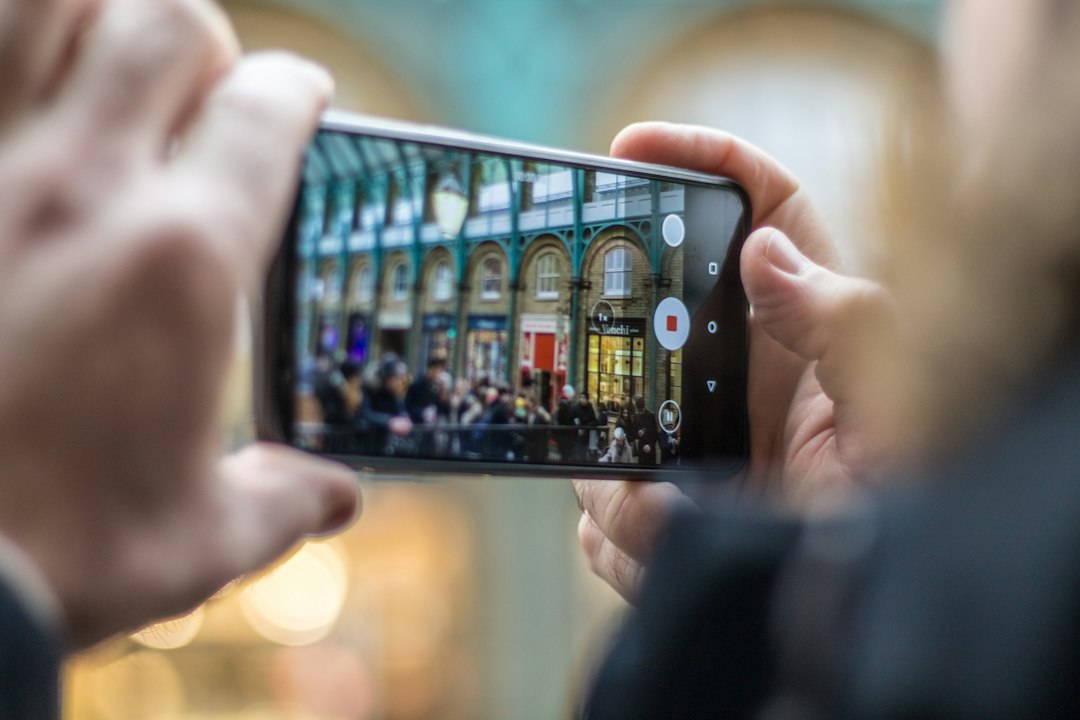

If you can film a 20-second clip on your phone, you can run TikTok ads. The platform rewards everyday footage over polished commercials, which is exactly why TikTok ads for small business owners have become one of the cheapest ways to reach new customers in 2026.
This guide walks you through the setup, creative, targeting and budget decisions that actually matter when you're starting out. No jargon, no 20-tab spreadsheets, just steps you can act on this week.
Key takeaways
- TikTok ads for small business work best when the video looks like organic content, not a polished ad.
- Start with a daily budget of $20-$40 per ad group and give the algorithm 3-5 days before judging results.
- Use broad targeting and let TikTok's system find buyers; narrow interests only when you have data to support it.
- Test 3-5 creatives at once, kill the losers fast and double down on the winner.
- Track one clear action (purchase, lead, booking) and ignore vanity metrics like views.
Why TikTok ads are worth a look in 2026
TikTok's ad platform has matured. The targeting is sharper, the pixel is more reliable and the auction is still cheaper than Meta in many niches, especially for younger audiences and visual products.
The catch: TikTok is a creative-first platform. If your ad looks like a banner from 2015, it will flop no matter how much you spend. The upside is that one good phone video, shot in 10 minutes, can outperform a $5,000 production.
Small businesses have an unfair advantage here. You know your product, you can film it quickly, and you don't need to go through three rounds of brand approval before posting.
A good TikTok ad usually starts with something that makes the viewer think "wait, what?" in the first second. If that hook works, the rest of the funnel does the heavy lifting.
Before you spend a dollar: the setup checklist
Most of the budget waste I see from new advertisers happens before the ads even go live. Fix these first.
- Install the TikTok Pixel on your website, or the Events API if you sell through Shopify or WooCommerce. Without it, the algorithm is flying blind.
- Create a TikTok Business Centre account and link your ad account, pixel and TikTok profile in one place.
- Pick one conversion event that matters: purchase, lead form, booking. Not three. One.
- Make sure your landing page loads in under 3 seconds on mobile. TikTok traffic is impatient. If your site is slow, read this small business guide to hosting and maintenance before you turn on ads.
- Set a weekly budget cap in the ad account so a runaway campaign can't drain your card overnight.
Skipping these is the single most common reason small TikTok ad campaigns underperform.
Choosing the right campaign objective
TikTok gives you a menu of objectives: Reach, Traffic, Video Views, Lead Generation, Conversions, and more. For most small businesses, only two matter in the first 90 days.
- Website Conversions if you sell online or collect leads through a form on your site.
- Lead Generation if you want names and emails without sending people off TikTok. The native form fills in details from the user's profile, which boosts conversion.
Ignore "Video Views" and "Reach" at the start. They're cheap for a reason: they rarely produce buyers.
Creative: the 80% of the work
On TikTok, creative is not a design task. It's the strategy. If your video is good, bad targeting can still work. If your video is bad, perfect targeting won't save you.
Small businesses that do well tend to follow a loose formula.
The hook, demo, proof, ask structure
- Hook (0-2 seconds): a visual pattern break or a bold statement. "I almost closed my bakery last year. Here's what saved it."
- Demo (3-15 seconds): show the product in use. If you sell candles, show one burning in a cosy room. If you offer dog grooming, show a before/after.
- Proof (15-25 seconds): a customer quote, a testimonial clip, a result. Keep it real.
- Ask (last 3-5 seconds): one clear next step. "Tap the link to order" or "Comment GUIDE and I'll send it."
Shoot 3-5 versions with different hooks. The hook is where 70% of your ads will live or die.
What a TikTok ad should actually look like
- Shot vertically on a phone, not horizontally.
- Native captions burned into the video, since most people watch muted first.
- A real person talking, not a faceless product shot.
- Background music, but not so loud it drowns the voice.
- Under 30 seconds for cold traffic, up to 45 for warm.
If you want to go deeper on what makes short-form video sell, this breakdown of ad creatives that convert for small businesses covers patterns that work across platforms.
Audiences and targeting without overthinking it
TikTok's algorithm is aggressive. It wants broad audiences so it can find buyers on its own. Narrow targeting in 2026 often hurts more than it helps.
Start with broad, narrow only with data
For your first campaign, try:
- Location: your service area, or the countries you ship to.
- Age: a wide band, say 18-54, unless your product is clearly for one group.
- Gender: all, unless there's a very obvious reason.
- Interests: leave blank for the first week.
This sounds lazy, but TikTok's signal from the pixel is stronger than any interest you can pick. Let the system work.
After 7-10 days with conversions coming in, you can test an interest-based or Custom Audience ad group alongside the broad one.
Retargeting warm viewers
Once you have traffic, build Custom Audiences from people who:
- Watched 50% or more of any of your videos in the last 30 days.
- Visited your website in the last 14 days.
- Added to cart but didn't buy.
Show these audiences a different ad, usually a testimonial or an offer. If retargeting is new to you, this small business retargeting playbook is a solid primer.
Budget: how much is enough to start?
TikTok needs data to optimise. If you spend $5 a day, you'll get almost nothing useful in a week.
A reasonable starting point for a small business:
- $20-$40 per day, per ad group, for at least 5-7 days.
- One campaign, one ad group, 3-5 ads inside it.
- Total test budget of $200-$500 before you make big decisions.
If you see no conversions after $100-$150 of spend, pause and look at your creative first, your landing page second, your offer third. Rarely is it the targeting.
Reading your results without going cross-eyed
TikTok's dashboard shows dozens of metrics. Most are noise. Focus on three.
- Cost per result (cost per purchase, lead, booking). This is the headline number.
- Hook rate (3-second views divided by impressions). Under 20% means your first two seconds are weak.
- Click-through rate. Under 1% on cold traffic usually means the offer or creative isn't pulling.
Ignore impressions, reach and video views unless you're running a brand campaign. For a plain-English walkthrough of the numbers, this guide to reading paid ad results is worth a bookmark.
When to kill, keep or scale an ad
- Kill: cost per result is 2x higher than your target after $50-$80 spend on that ad.
- Keep: cost per result is near your target, give it another 3-5 days.
- Scale: cost per result is below target for 3+ days. Raise the budget by 20-30% at a time, not double overnight.
TikTok's algorithm hates sudden budget jumps. Slow and steady wins.
Common mistakes that burn budget
After watching a lot of small business accounts, the same handful of mistakes come up again and again.
- Treating TikTok like Meta. The creative formats are different. A square image with text won't work here.
- Running one ad and judging it in 24 hours. The algorithm is still learning. Give it at least 3 days and $50+ spend before any verdict.
- Turning ads off at the weekend because "people aren't buying." You're resetting the learning phase every Monday.
- Pointing ads at your homepage. Send traffic to a specific product or landing page that matches the ad.
- Changing the ad mid-flight. Every edit resets learning. If you want to test a new angle, duplicate the ad instead.
- Ignoring comments. TikTok ads get real comments, and a quick reply often turns a sceptic into a buyer. Comments also feed the algorithm engagement signal.
TikTok ads vs Meta ads: which should you run first?
Short answer: if your customer is under 40 and your product is visual or impulse-friendly, TikTok is often a cheaper first bet. If you sell to local or older buyers, Meta usually wins.
You don't have to pick forever. Many small businesses end up running both, but starting with one lets you learn without splitting attention. A fuller comparison lives in this piece on Google Search versus Meta ads for small businesses, and the same logic applies when adding TikTok to the mix.
If all this feels like a second job on top of running your business, a done-for-you option like Henify's paid ads management can handle the setup, creative testing and daily tweaks so you can focus on fulfilling the orders the ads bring in.
A simple 14-day plan to launch
If you want a concrete schedule, here's one that works for most small businesses starting TikTok ads for the first time.
Days 1-3: install the pixel, set up the ad account, write 5 hook ideas, film 3-5 short videos on your phone.
Days 4-5: build one Conversion campaign, one ad group with broad targeting, upload all creatives, launch at $30/day.
Days 6-10: let it run. Do not edit. Watch cost per result and hook rate daily. Reply to comments.
Days 11-12: kill the bottom 2 ads. Duplicate the winner with a new hook variant.
Days 13-14: if cost per result is in range, raise budget by 25%. If not, go back to creative and test a new angle.
By the end of two weeks you'll know whether TikTok ads for small business work for your specific offer, with real numbers to back the decision.
FAQ
How much should a small business spend on TikTok ads per month?
A realistic monthly budget to get meaningful data is $600-$1,200 for a single product or service. Below that, you can still run ads, but decisions take longer because the sample size is small. Once you find a winning creative, you can scale up or down based on your margins.
Do I need a TikTok following to run TikTok ads?
No. Ads run from a Business account and don't require followers. That said, having a few organic posts on your profile builds trust when viewers tap through, so post 5-10 videos before launching paid campaigns.
How long before TikTok ads start working?
Most campaigns need 3-5 days of consistent spend to exit the learning phase. You might see conversions on day one, but don't judge performance until you've spent at least $100-$150 per ad. Patience in the first week usually pays off.
Can TikTok ads work for local businesses?
Yes, especially for visual services like cafes, salons, gyms and restaurants. Set the location radius tight, use footage of the actual place and staff, and include a clear call to action like "book your slot" or "visit us this weekend." For nearby-customer tactics on other platforms too, see this guide on Facebook local business reach.
What's the biggest mistake first-time TikTok advertisers make?
Uploading a polished, logo-heavy brand video instead of a native, phone-shot clip. TikTok users scroll past anything that looks like an ad within one second. The second biggest mistake is giving up after 48 hours. Both are easy to fix once you know to watch for them.